A Shortage Within a Shortage: Why Practical Nursing Education Matters More Than Ever
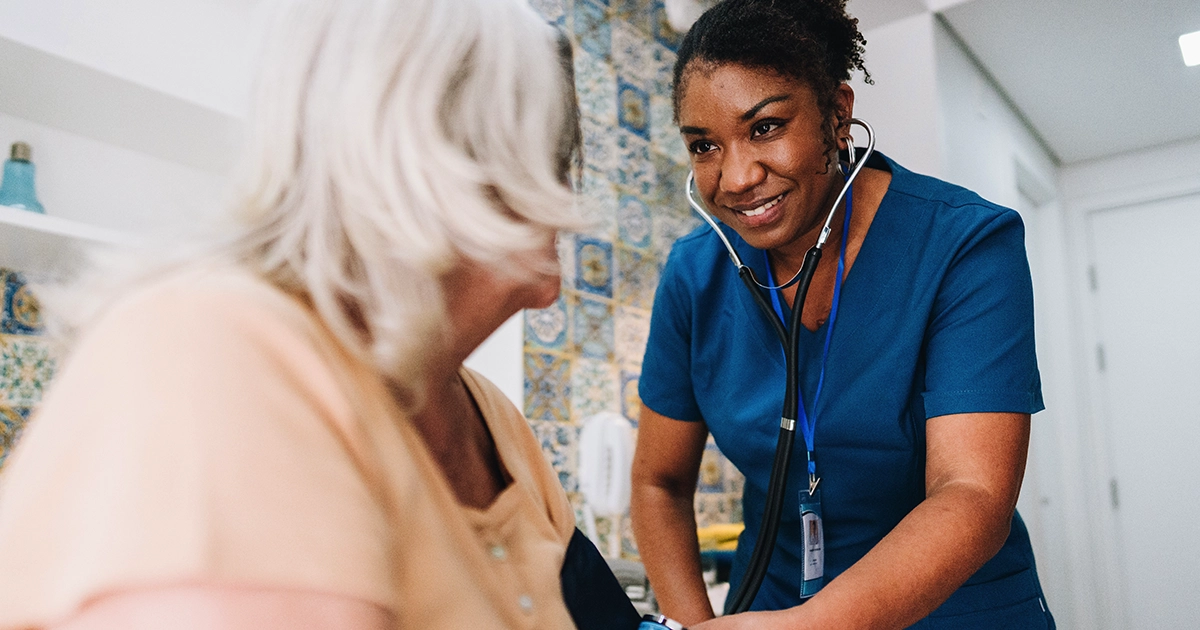
5 Things Nurse Educators & Academic Leaders Can Start Doing to Fuel the PN/VN Workforce
When headlines warn of "the nursing shortage," the focus tends to be on registered nurses — and with good reason. But a parallel workforce crisis is unfolding in plain sight, with direct implications for patient care, healthcare access, and the future of nursing education.
Fewer licensed practical nurses and licensed vocational nurses are entering and remaining in the workforce at a time when demand is rising sharply. Long-term care facilities, home health agencies, rural hospitals, and community-based settings are already feeling the strain. For nurse educators and academic leaders, this moment presents both a challenge and an opportunity.
A Shortage Within a Shortage
The 2025 nursing workforce forecast from the Health Resources and Services Administration (HRSA) projects that demand for PNs/VNs grow faster than supply through 2038, resulting in a projected shortfall of nearly 246,000 full-time practical nurses.1 The supply of PNs/VNs will meet only 70% of national demand.
Alongside this challenge, RN shortages will persist. HRSA forecasts a shortfall of 109,000 full-time RNs by 2038 (92% of demand).1 As a result, healthcare systems will rely even more heavily on PNs/VNs.
But without attention to practical nursing education, scope clarity, and career mobility, the most accessible entry point into nursing faces formidable challenges in meeting workforce needs.
The Workforce That Holds Up the System
Practical nurses are foundational to U.S. healthcare, especially for vulnerable populations. Nursing homes and extended care facilities are the primary practice settings for one-third of practical nurses.2 These settings routinely struggle to maintain staffing.
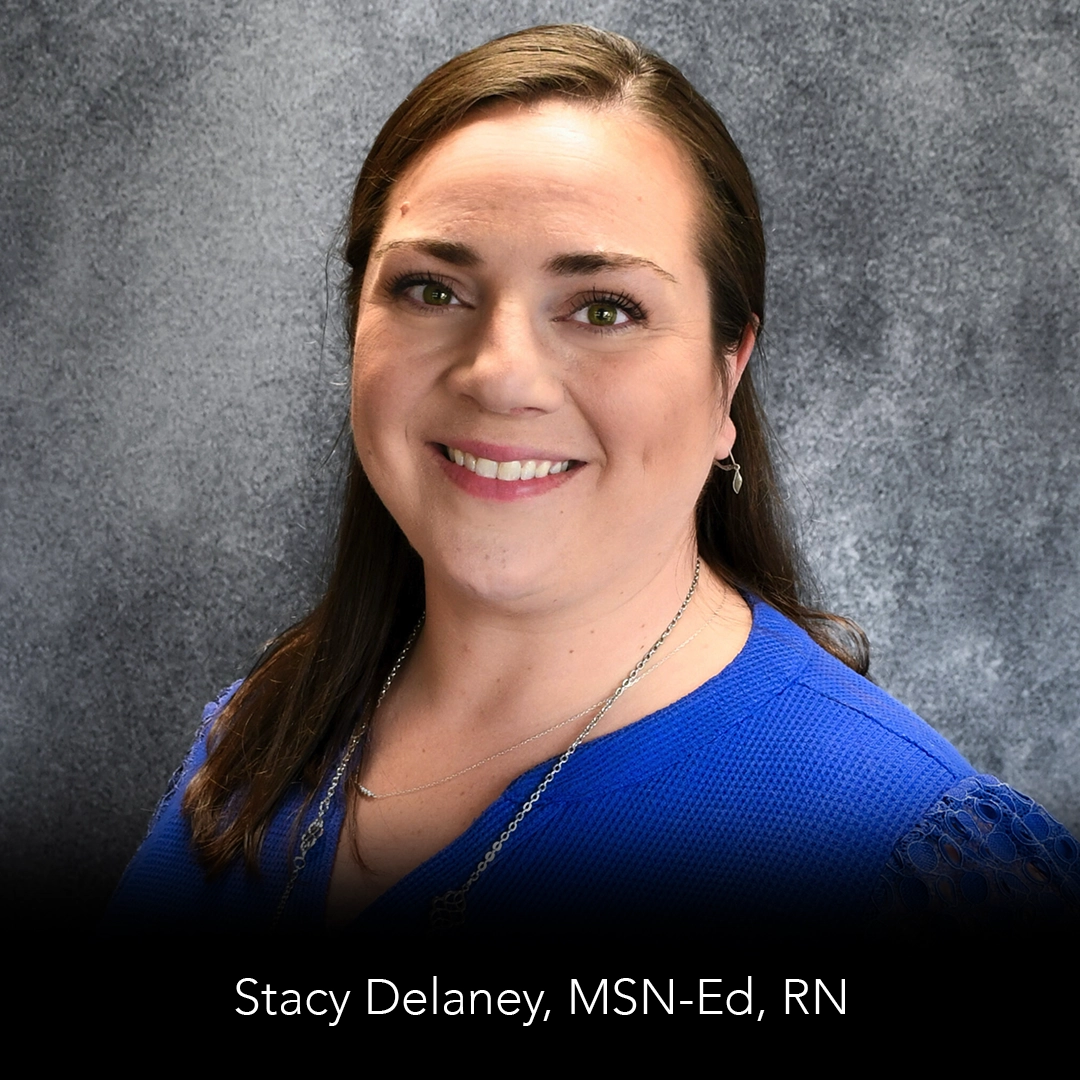 Stacy Delaney, MSN-Ed, RN, supervisor of the Practical Nursing Program at the Delaware County Intermediate Unit (DCIU) in Pennsylvania, observes this routinely in her program’s clinical sites
“If you walk into any long-term care facility, it's mostly staffed by PNs/VNs,” she said. “There's typically one RN for two floors or even the entire facility. PNs/VNs get burned out when they have to take care of 30 patients with skin breakdown and the many different things they need."
Despite their essential role, PNs/VNs are often underrecognized and undersupported.2 This is not just a morale issue. It is a pipeline problem. When a profession is poorly understood or inconsistently valued, fewer people choose to enter it.
A 2026 qualitative study by Weaver and colleagues surveyed nurse leaders across acute care settings across New Jersey.3 The authors found that while nurse leaders value PNs/VNs for staffing stability and patient care quality, successful integration depends on preparation. This preparation encompasses a shared understanding of RN and PN/VN scopes of practice and ongoing education for the entire team, the researchers concluded.
Closing Perception Gaps About Capabilities & Career Paths
The widespread perception gap stems from lack of clarity about PN/VN capabilities and career paths — and some of the murkiness exists within education itself. During a recent ATI webinar on trends in RN and PN/VN workforce and education, Beth Phillips, PhD, RN, CNE, Strategic Nursing Advisor for ATI and Ascend Learning, challenged a common oversimplification that is damaging: the idea that PNs/VNs don't assess.
"They collect data, and collecting data is part of assessment," Dr. Phillips said. "I feel like we do a disservice when we try to infer separation in our language."
A contributor to this misalignment is that scope of practice for practical nurses varies by state and, in some cases, work setting. Pair the lack of clarity in scope with lack of recognition of skills, and it’s not surprising that PNs/VNs grow frustrated. 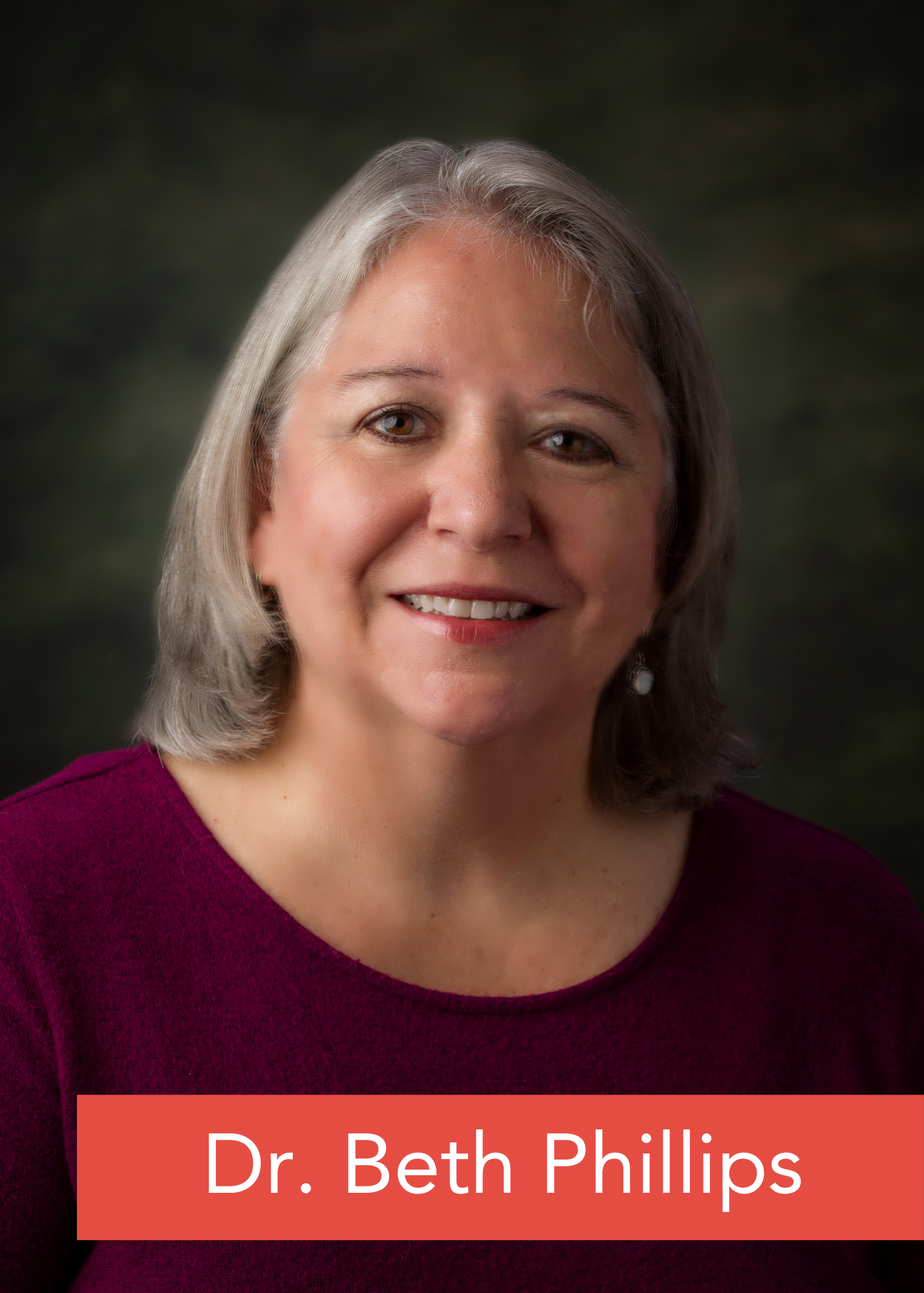
This matters even in the earliest days of an education program. Dr. Phillips, who has taught in both RN and PN programs, emphasized that how educators talk about PN/VN capabilities matters.
“A practical nurse who understands they can interpret a blood glucose reading, recognize a change in patient condition, and communicate that information to a provider is a more confident and more effective clinician,” she said. “Educators who undersell that competence may inadvertently undersell the profession itself.”
Public awareness is another influential factor. Many prospective students don’t know the practical nursing role exists.
This means people who are interested in the nursing profession tend to look directly to RN programs when they could enter their careers more quickly and inexpensively via a practical nursing program.
Delaney could have been detoured in this exact way if it weren’t for a relative who told her about the PN program at DCIU.
“I was trying to figure out what nursing program I wanted to get into, and my aunt told me that DCIU had a nursing program that would allow me get in and out in a year,” Delaney said. “I gave them a call and I asked, ‘Is this real? I could become a nurse in 1 year?’ And they said, yeah, it's a lot of work. It's full time. But it will change your life.”
And it did.
“I got going and I absolutely loved it,” she said. “I knew that nursing was for me, and I knew that I could start working right away and make some money to afford to go back to school if I ever chose to.”
Today, as supervisor of the same program that launched her nursing career, Delaney is an ambassador for practical nursing.
"The general public isn’t very aware of this option. We need to help more people understand the many different ways they can become nurses.”
A Stalled Pipeline, Not a Lack of Ambition
Although Delaney went on to earn a BSN and MSN, the majority of PNs/VNs don’t pursue a higher nursing degree. Between 2015 and 2023, the median rate of PNs/VNs earning RN licensure was just 8.9%.2 Among those who did earn an ADN or BSN, the process was prolonged: The median time to transition was more than 3 years.2
Common reasons for the slow progress are mostly economic. For PNs/VNs who want to advance to an RN role, the pathway is often expensive and difficult to juggle with full-time work or family obligations.
The structure of higher education is another factor. Weak articulation agreements, limited credit for prior learning, and complicated bridge programs also stall movement. Most current academic systems don’t meet them where they are.
NLN’s guidebook for practical and vocational nursing,2 identifies flexible scheduling, tuition assistance, childcare, mental health resources, and transportation as supports that could help more PNs/VNs continue to evolve their nursing careers.
These structural barriers are real, but they aren't the whole story. For many PNs/VNs, the deeper need is visibility and support. They want to know that additional career options exists and that help is available to pursue a path forward. That's where nursing programs have more influence than they may realize.
5 Things Nursing Programs Can Do Right Now
Academic programs cannot solve the nursing workforce shortage alone, but they can shape thinking and make progress toward solutions. Here are 5 realistic steps that program leaders and faculty can take to encourage more students to enter and remain in practical nursing.
1. Recalibrate how you teach scope of practice.
Scope of practice is not fixed. It is a living framework that evolves through advocacy and regulatory change.
Dr. Phillips and Delaney recommend teaching students about scope of practice early and revisiting it often. Students who understand scope as dynamic are better prepared to practice safely across settings and to advocate for their own professional recognition.
2. Build bridges with RN programs.
Articulation agreements, credit for prior learning, and PN-to-RN pathways reduce structural barriers for students who want to advance.
Delaney described her program's relationship with a local community college RN program as a mutual referral ecosystem: "Instead of feeling like we're competing for enrollment, we're really just adding to each other's enrollment." This reframing from competition to collaboration can be worth adopting.
3. Invest in mentorship, including cultural connections.
Given that nearly half of DCIU's students are born outside the United States, Delaney intentionally pairs students from similar cultural backgrounds to build study networks and professional relationships.
"They are such an asset to our nursing community, because they're often serving people who speak their same language,” she said. “It really gives comfort to their patients."
Mentorship is more than a retention strategy, she emphasized. It is a belonging strategy that is especially impactful for the diverse populations PN programs often serve.
4. Identify future educators and encourage them.
Research conducted by Dr. Phillips and colleagues across multiple program types found that the strongest predictor of a nurse's intent to pursue a faculty role was simple but powerful: An educator identified that potential and helped the student recognize it.4,5
Given ongoing shortages of both nurses and nurse educators, this is a low-cost action with far-reaching impact. Delaney said she herself once dismissed nursing education as an "old person's job." That changed when a colleague saw the teaching spark in her and encouraged her to pursue it.
5. Invest in program visibility.
"Always be marketing" is the operating philosophy at DCIU.
Delaney's team carries branded business cards to clinical sites, visits high schools, and displays a program slogan on t-shirts: "We make nurses. Ask me how."
Word of mouth is a powerful enrollment driver, and the employers who hire DCIU graduates send those graduates back to recommend the program.
"You do things well, and people are going to talk about it," Delaney said. For programs embedded in technical schools that lack dedicated marketing teams, even small, consistent visibility efforts can make a difference.
The Path Forward
The practical nursing shortage is not a problem for the future. It requires action now. Without attention and an adjustment in strategies, the gap will only increase over the next decade.
Nurse educators cannot close this gap alone. But they can shape better alignment between education and practice, between policy and workforce reality, and between how practical nurses are prepared and how they are ultimately deployed.
As Maryann Alexander, PhD, RN, FAAN, Chief Officer of Nursing Regulation at NCSBN, wrote in a recent editorial in the Journal of Nursing Regulation,6 PN responsibilities need to be clarified and consistent. PNs/VNs need more opportunities to work in diverse settings where they are respected members of the healthcare team. The work of clarification, consistency, and respect begins in nursing education.
"We need everyone," Dr. Phillips said. "We need all levels of nurses, because they are all serving us well."
The practical nursing pathway is not a lesser choice. It is a strategic one, an accessible one, and an increasingly essential one. Programs that honor this and act on it will expand opportunities for more students, stabilize the workforce, and strengthen patient care across settings.
References
- Health Resources and Services Administration. Nurse Workforce Projections, 2023-2038. 2025. https://bhw.hrsa.gov/sites/default/files/bureau-health-workforce/data-research/nursing-projections-factsheet.pdf
- National League for Nursing. Securing PN/LVN Supply and Career Progression. A Guidebook for Employers, Educators and Policymakers. 2025. https://www.nln.org/docs/default-source/default-document-library/nln-PN_career_progression_guidebook_2025-1210.pdf
- Weaver SH, deCordova PB, Waszak D. Nurse Leaders’ Perspectives on the Integration of Licensed Practical Nurses Into Acute Care Nursing Teams. Journal of Nursing Regulation. 2026;17(1):13-20. https://doi.org/10.1016/j.jnr.2026.01.004
- VanRiel YM, Gazza EA, Phillips BC. It is up to faculty: An Exploration of Registered Nurse-to Bachelor of Science in Nursing Student Intent for Faculty Role. Nursing Education Perspectives. 2023;44(1):24-29. Doi: 10.1097/01.NEP.0000000000001023
- Bond DK, Peery AI, VanRiel YM, Gazza EA, Phillips BC, Winters-Thornburg CE, Swanson MS. RN-to-BSN Students' Intent to Become Faculty. Nurse Educator. 2019. doi: 10.1097/NNE.0000000000000732
- Alexander M. Maximizing the Role of the PN. (Editorial). Journal of Nursing Regulation. 2022;13(1):3. https://doi.org/10.1016/S2155-8256(22)00027-8